Why Your Ceramic Coating Isn’t Lasting as Long as Expected in Apollo Beach, FL
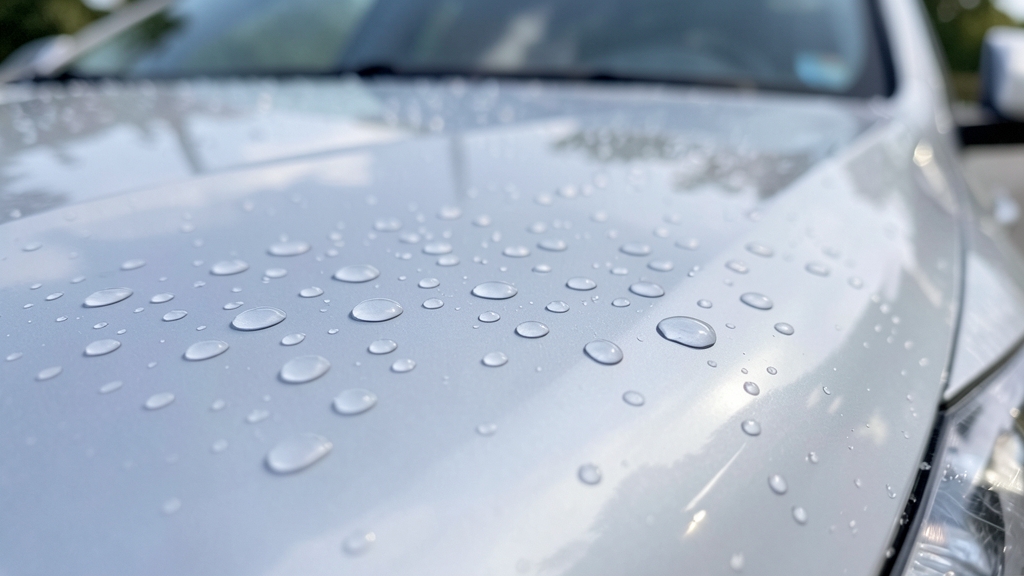
Ceramic coatings promise years of gloss and protection, yet many Apollo Beach drivers see them fade far sooner than advertised. The culprit is rarely the product—it’s usually prep, application, or our harsh coastal conditions. We’ll break down the real reasons and how to fix them.
Apollo Beach’s Climate Is Tough on Ceramic Coatings
Salt air, intense UV, and high humidity accelerate ceramic coating breakdown. These elements degrade the SiO2 matrix faster than in inland areas.
Daily temperature swings cause expansion and contraction, stressing the coating’s bond with clear coat. Over time, micro-fractures form, reducing hydrophobic performance.
Add frequent rain with mineral-heavy water, and you get water spots that etch into the surface if not removed quickly.
Rinsing your vehicle weekly with fresh water removes salt residue before it can damage the coating or underlying paint.
Poor Surface Prep Dooms Coatings Before They Start
Ceramic coatings bond to the clear coat, not contaminants. Skip paint correction, and swirls, oxidation, or embedded iron particles prevent proper adhesion.
A thorough decontamination—clay bar, iron remover, and IPA wipe-down—is non-negotiable. Even a single missed speck of wax or polish residue can create a failure point.
Many DIYers underestimate this step. In our shop serving Ruskin and Gibsonton, we’ve seen coatings peel within months due to rushed prep.
Application Mistakes That Shorten Longevity
Applying coating too thick or unevenly leads to uneven curing and weak spots. Thin, even layers cross-link properly for maximum durability.
Ambient conditions matter. High humidity or temperatures below 60°F slow curing, while direct sun can cause the coating to flash-cure, trapping solvents beneath the surface.
Improper curing time between layers (for multi-layer systems) also compromises performance. Each layer needs 24–48 hours to fully bond before the next is applied.
Product Quality and Layering Impact Durability
Not all ceramic coatings are created equal. Consumer-grade sprays last months; professional-grade SiO2 or graphene-infused coatings can endure 2–5 years with proper care.
Single-stage coatings offer basic protection but lack the depth and hardness of multi-layer systems. In Riverview and Sun City Center, we often recommend layered coatings for vehicles facing daily sun exposure.
Add a ceramic topper every 1–2 years to refresh hydrophobicity and extend the base coat’s life.
| Coating Type | Durability (Apollo Beach Conditions) | Best For |
|---|---|---|
| Consumer Spray-On | 3–6 months | Quick shine, minimal protection |
| Professional Single-Layer (SiO2) | 1–2 years | Daily drivers, moderate exposure |
| Professional Multi-Layer (SiO2 + Graphene) | 3–5 years | High-end vehicles, extreme UV/salt exposure |
| Hybrid (Ceramic + PPF) | 5–7+ years | Maximum protection, luxury or show cars |
Maintenance Habits That Preserve (or Ruin) Your Coating
Washing with harsh soaps or automatic car washes strips ceramic coatings of their hydrophobic layer. Always use pH-neutral car shampoo and a microfiber wash mitt.
Drying with a dirty towel introduces micro-scratches. Use a clean, high-quality microfiber or a blower to prevent marring.
Bird droppings, bug splatter, and tree sap are acidic. Remove them ASAP with a detailer spray to avoid etching the coating.
Ceramic Coating Maintenance Do’s
- Wash weekly with pH-neutral soap
- Use the two-bucket method to avoid swirls
- Apply a ceramic boost spray every 3–6 months
- Park in a garage or under a cover to limit UV/salt exposure
- Avoid pressure washers at high PSI near the coating
When to Consider Paint Protection Film (PPF) Instead
Ceramic coatings excel at UV resistance and hydrophobicity but offer limited protection against rock chips or deep scratches. For Apollo Beach’s highways, PPF is the better shield for front bumpers, hoods, and fenders.
We often combine PPF on high-impact areas with a full-vehicle ceramic coating in Wimauma and Sun City Center. This hybrid approach combines the strengths of both.
PPF also resists salt and chemical stains better than coatings alone, making it ideal for boats, RVs, and fleet vehicles exposed to harsh elements.
Pair PPF on the front end with a ceramic coating on the rest of the vehicle for maximum durability and gloss.
Signs Your Ceramic Coating Is Failing
Water no longer beads into tight, round droplets. Instead, it sheets or flattens—this indicates the hydrophobic layer is wearing thin.
The surface feels rough or gritty, a sign contaminants have adhered to the coating due to poor maintenance or degraded protection.
Swirl marks and scratches appear more visible. A healthy coating enhances gloss; a failing one makes imperfections stand out.
How to Restore a Failing Ceramic Coating
If your coating is underperforming, follow these steps to revive its protection and shine.
- 1Decontaminate the Surface
Use a clay bar and iron remover to strip embedded contaminants. This step is critical before any reapplication.
- 2Inspect for Damage
Check for water spots, etching, or oxidation. Light swirls can be polished out; deep damage may require paint correction.
- 3Reapply a Ceramic Topper
Use a high-quality ceramic spray or liquid topper to refresh hydrophobicity. Apply in thin, even layers.
- 4Allow Proper Curing
Avoid washing or exposing the vehicle to rain for 24–48 hours. Park in a dry, shaded area.
- 5Reassess Maintenance Routine
Switch to pH-neutral soap and a strict washing schedule. Consider a full reapplication if the coating is beyond revival.
Frequently Asked Questions
How long should a professional ceramic coating last in Apollo Beach, FL?
With proper prep and maintenance, a professional-grade coating typically lasts 3–5 years in our climate. Salt air and UV can shorten this to 2–3 years without diligent care. Request a quote to discuss options tailored to your vehicle.
Can I apply a new ceramic coating over an old one?
It’s not recommended. Old coatings can interfere with adhesion. We always remove the existing layer through polishing or a dedicated coating remover before applying a fresh coat, especially for clients in Riverview or Gibsonton.
Does ceramic coating prevent water spots in Apollo Beach?
It reduces them by repelling water, but mineral-heavy rain or sprinkler water can still leave spots if not rinsed off promptly. A coating makes cleanup easier but isn’t a complete shield.
Why does my ceramic coating look streaky after application?
Streaks usually indicate uneven application, improper curing, or applying in direct sunlight. Humidity and temperature play huge roles—always apply in a controlled environment.
Is paint correction necessary before ceramic coating?
Absolutely. Paint correction removes swirls, oxidation, and defects to ensure the coating bonds to a pristine surface. Skipping this step risks poor adhesion and a lackluster finish, whether in Sun City Center or Apollo Beach.
What’s the difference between ceramic coating and ceramic window tint?
Ceramic coatings protect paint with a hydrophobic SiO2 layer, while ceramic window tint uses non-metallic particles to block UV and heat without interfering with electronics. Both offer durability but serve different purposes.