Why Iron Removers Are Essential for Maintaining Ceramic Coating in Apollo Beach in Ceramic Coating Apollo Beach, FL
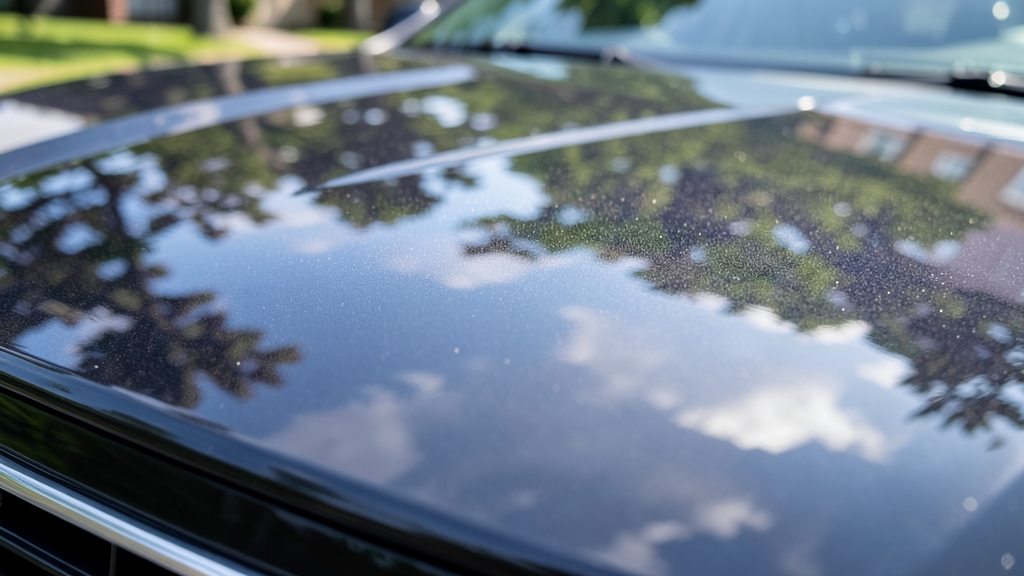
Ceramic coatings in Apollo Beach face relentless assault from iron particles—tiny, invisible enemies embedded in your paint. These contaminants accelerate oxidation and degrade even the toughest coatings over time. We’ll show you how iron removers keep your finish pristine and extend its lifespan.
What Are Iron Contaminants and Why Do They Matter?
Iron particles come from brake dust, rail dust, and industrial fallout. They bond to your paint and wheels, creating rust spots and rough surfaces that trap dirt.
In Apollo Beach’s humid climate, these particles oxidize faster, eating into clear coats and compromising ceramic coatings. Even a fresh coating isn’t immune without proper decontamination.
How Iron Particles Damage Ceramic Coatings
Ceramic coatings repel water and dirt, but iron embeds itself into the surface. Over time, this causes micro-scratches and reduces hydrophobic properties.
Left untreated, iron contamination leads to staining, especially on lighter vehicles. It also shortens the life of your coating, forcing premature reapplication.
Skipping iron removal before applying a ceramic coating traps contaminants under the layer, causing long-term damage and poor adhesion.
Iron Removers vs. Clay Bars: Which Is Better for Ceramic Coatings?
Clay bars physically remove embedded contaminants but can mar soft ceramic coatings if used improperly. Iron removers chemically dissolve particles, reducing surface contact.
For Apollo Beach’s high-iron environment, we recommend using both: iron remover first to break down contaminants, then a gentle clay bar for stubborn spots.
| Method | Pros | Cons |
|---|---|---|
| Iron Remover | Chemically dissolves iron, no physical abrasion, safe for coatings | May require multiple applications for heavy contamination |
| Clay Bar | Removes all embedded contaminants, tactile feedback | Risk of marring, requires lubrication, time-consuming |
The Best Iron Removers for Ceramic-Coated Vehicles
Not all iron removers are equal. Look for pH-balanced formulas (pH 6-8) to avoid stripping ceramic coatings. Spray-on, dwell-time products work best in Florida’s heat.
Popular choices include P&S Brake Buster, CarPro Iron X, and Gyeon Iron. Always test on a small area first, especially on wheel ceramic coatings or PPF-wrapped sections.
Apply iron remover in the shade. Direct sun can cause premature drying, reducing effectiveness on baked-on contaminants.
Step-by-Step: Decontaminating Before a Ceramic Coating Refresh
Start with a thorough wash using a pH-neutral shampoo to remove surface dirt. This preps the iron remover to penetrate deeper.
Next, apply the iron remover to one panel at a time. Watch for the color change (purple/red) indicating dissolved iron. Rinse immediately after the reaction completes.
How Often Should You Use Iron Removers in Apollo Beach?
For daily drivers, we recommend a full decontamination every 3-4 months. Vehicles near rail lines (like those in Gibsonton or Ruskin) may need it monthly.
After heavy rain or track days, spot-treat wheels and lower panels. Iron buildup is worst here due to brake dust and road spray.
Common Mistakes to Avoid with Iron Removers
Never let iron remover dry on the surface. It can leave residues that etch into ceramic coatings, especially in Apollo Beach’s intense UV.
Avoid using iron removers on hot panels. Heat accelerates chemical reactions, potentially damaging trim or rubber seals.
Iron Remover Do’s and Don’ts
- Do work in a cool, shaded area
- Do rinse thoroughly after color change
- Don’t use on dry, hot surfaces
- Don’t skip the pre-wash
- Don’t use on matte or satin finishes without testing
Pairing Iron Removal with Other Protective Services
Iron decontamination is just one step in a full detail. For Apollo Beach vehicles, we often combine it with paint correction to remove swirls before applying a fresh ceramic coating.
Wheel ceramic coatings and PPF installations also benefit from iron removal. Contaminants left under these layers cause premature peeling or yellowing.
How to Use an Iron Remover on a Ceramic-Coated Car
Follow these steps to safely and effectively remove iron contaminants without damaging your coating.
- 1Pre-Wash the Vehicle
Use a pH-neutral car shampoo and a microfiber wash mitt to remove loose dirt. Dry the surface completely with a clean towel.
- 2Apply Iron Remover
Spray the product liberally onto one panel at a time. Focus on high-contamination areas like wheels, lower doors, and the front bumper.
- 3Allow Dwell Time
Let the remover sit for 1-2 minutes (or as directed). The liquid will turn purple/red as it dissolves iron particles.
- 4Agitate if Needed
For stubborn spots, gently use a microfiber towel or a dedicated iron-removal brush. Avoid excessive pressure on ceramic coatings.
- 5Rinse Thoroughly
Rinse the panel immediately with water to stop the chemical reaction. Repeat for all sections of the vehicle.
- 6Follow Up with Maintenance
After drying, apply a ceramic-boosting spray sealant to restore hydrophobicity. For wheels, consider a dedicated wheel ceramic coating for added protection.
Frequently Asked Questions
Can I use an iron remover on a brand-new ceramic coating in Apollo Beach?
Yes, but wait at least 7-14 days after application to allow the coating to fully cure. Always use a pH-balanced remover and test on a small area first.
Will iron removers damage my paint protection film (PPF)?
Most iron removers are safe for PPF, but avoid high-pH or solvent-based products. In Riverview or Sun City Center, where PPF is popular, we recommend CarPro Iron X or similar film-safe options.
How do I know if my ceramic coating needs iron removal?
Run your hand over the paint after washing. If it feels rough or gritty, iron contamination is likely. A visual test with an iron remover (color change) confirms it.
Can I use iron removers on ceramic-coated wheels and calipers?
Absolutely. Wheels and calipers in Apollo Beach accumulate heavy brake dust. Use the same product, but avoid overspray on rubber or plastic components.
Do iron removers work on interior ceramic coatings?
No. Interior ceramic coatings (for dashboards or leather) don’t face iron contamination. For interior care, use a dedicated interior cleaner and UV protectant.
Is it worth paying for professional iron removal before a ceramic coating service?
For vehicles in high-contamination areas like Wimauma or near ports, professional decontamination ensures a flawless base. It’s a critical step for maximum coating longevity. Request a quote to compare options.