DIY vs. Professional Ceramic Coating: What Apollo Beach Drivers Need to Know in Ceramic Coating Apollo Beach, FL
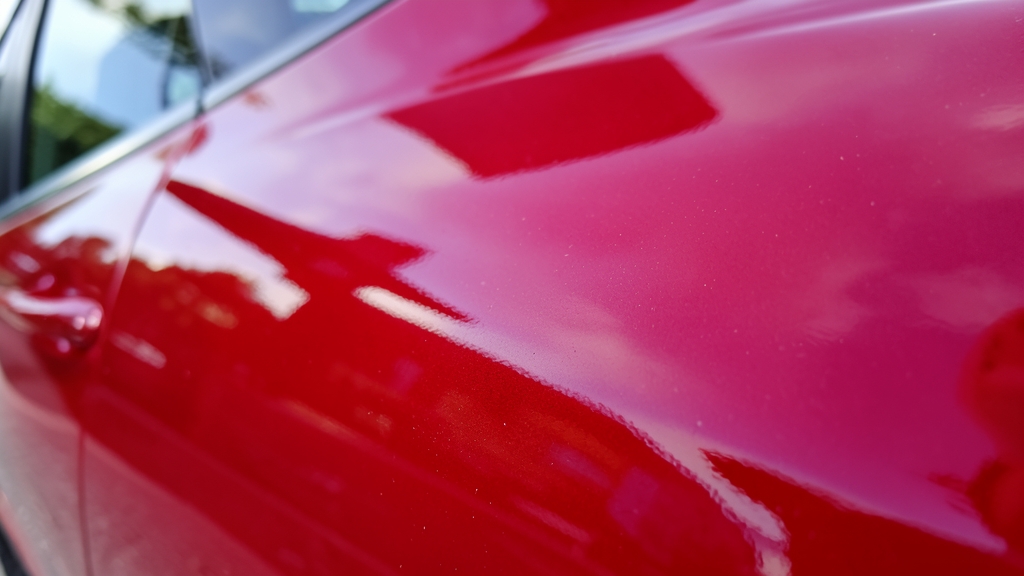
Apollo Beach’s salty air and intense sun demand serious paint protection. DIY ceramic coating kits promise shine and durability, but the gap between a weekend project and a pro-grade finish is wider than most realize. We break down the real trade-offs so you can decide what’s best for your ride.
Why Apollo Beach Cars Need More Than Wax
Our coastal climate accelerates paint oxidation, fading, and swirl marks. Wax and sealants last weeks; ceramic coatings bond at the molecular level for years of UV and salt resistance.
Even in Ruskin or Riverview, the same sun and humidity eat through weaker protections. A true nanoceramic layer repels water, contaminants, and minor scratches far longer.
The Prep: Where DIY Often Fails
90% of a coating’s performance depends on prep. Professionals start with a full decontamination: iron removal, clay bar, and thorough IPA wipe-down to eliminate oils and residues.
DIYers frequently skip paint correction—compound and polish steps that remove swirls, oxidation, and orange peel. Without this, coatings lock in imperfections forever.
Applying ceramic coating over unclean or uncorrected paint voids warranties and ruins longevity. Even dust under the layer can cause premature failure.
DIY Kits vs. Professional-Grade Coatings
Consumer kits typically offer 1-2 years of protection with single-layer SiO2 formulas. Pro installations use multi-layer nanoceramic polymers achieving 9H hardness and 5+ years of durability.
Pro coatings also include advanced additives for self-cleaning, anti-graffiti, and superior hydrophobic properties. These aren’t available in off-the-shelf products.
| Factor | DIY Ceramic Coating | Professional Ceramic Coating |
|---|---|---|
| Durability | 1-2 years | 5-7+ years |
| Hardness Rating | 6H-7H | 9H |
| Layers Applied | 1 (typically) | 2-4 (customizable) |
| Prep Work | Basic wash, minimal correction | Full decontamination, paint correction, IPA wipe |
| Hydrophobic Effect | Moderate | Extreme (self-cleaning) |
| UV/Salt Resistance | Good | Superior |
| Warranty | Limited or none | Full manufacturer-backed |
Tools and Environment: The Hidden Hurdles
Pros use dual-action polishers, precision applicators, and controlled environments with filtered air and humidity control. DIYers often work in garages with dust, varying temps, and improper lighting.
Cure times matter too. Some pro coatings require 24-48 hours in a climate-controlled bay. DIY products may cure in open air, risking contamination.
Application Technique: Cross-Hatching Isn’t for Beginners
Applying coating evenly requires the cross-hatching technique—overlapping passes in a grid pattern. Uneven application leads to high spots, streaks, or premature wear.
Pros also use infrared lamps to check for missed areas and ensure full coverage. DIYers rely on guesswork, often missing edges, crevices, or complex curves.
Long-Term Value: More Than Just Shine
A pro coating preserves resale value by maintaining gloss and protecting against etchings from bird droppings or water spots. In areas like Gibsonton or Sun City Center, this matters even more due to frequent sun exposure.
DIY coatings may save upfront but often require reapplication sooner, adding hidden costs in time and products. Plus, improper removal of a failed DIY coating can damage clear coat.
For maximum defense, pair ceramic coating with paint protection film (PPF) on high-impact areas. We often recommend this combo for luxury or daily-driven vehicles in Apollo Beach.
When DIY Might Make Sense
DIY can work for enthusiasts with experience in paint correction, a clean workspace, and patience. It’s also a budget-friendly way to test ceramic benefits on an older or secondary vehicle.
For fleet or commercial vehicles in Wimauma, a pro is still the better choice due to the scale and need for consistency. But a DIY touch-up on wheels or trim can be a smart stopgap.
What Apollo Beach Drivers Should Do Next
If you’re serious about protection, start with a professional paint correction and coating quote. We’ll assess your vehicle’s condition, discuss your goals, and recommend the right layers and add-ons.
For those committed to DIY, invest in proper prep tools and practice on a test panel first. And remember: a poor coating job is harder to fix than no coating at all.
Before Choosing DIY Ceramic Coating
- Assess your paint’s condition (swirls, oxidation, scratches)
- Invest in a dual-action polisher and quality compounds
- Ensure a dust-free, temperature-controlled workspace
- Practice application technique on a spare panel
- Use a pH-neutral car shampoo for final wash before coating
How to Decide Between DIY and Pro Ceramic Coating
Use this quick process to evaluate the best path for your vehicle in Apollo Beach.
- 1Evaluate Your Paint’s Condition
Run your fingers over the surface. If you feel roughness, swirls, or oxidation, professional paint correction is likely needed before any coating.
- 2Consider Your Vehicle’s Value
For newer or high-end cars, a pro coating protects your investment. For older daily drivers, DIY may suffice if you’re experienced.
- 3Assess Your Time and Tools
DIY requires 8-12 hours of prep and application, plus proper tools. If you lack either, a pro shop is the smarter choice.
- 4Think About Longevity Needs
If you plan to keep your car 3+ years, a pro-grade coating with a warranty offers the best long-term protection against Apollo Beach’s elements.
- 5Get a Professional Consultation
Even if leaning DIY, a pro assessment can reveal hidden paint issues and help you avoid costly mistakes. Request a quote to compare options.
Frequently Asked Questions
How long does a professional ceramic coating last in Apollo Beach?
With proper care, a pro-grade ceramic coating lasts 5-7+ years in our climate. The salt air and UV exposure here can shorten lifespan slightly, but regular washing and maintenance extend it. DIY coatings typically last 1-2 years.
Can I apply ceramic coating over existing wax or sealant?
No. All wax, sealants, and contaminants must be fully removed before application. This requires a thorough decontamination process, including clay bar and IPA wipe-down, to ensure the coating bonds properly to the clear coat.
Is ceramic coating worth it for a daily driver in Apollo Beach?
Absolutely. Daily drivers face the most wear from sun, salt, and road grime. A ceramic coating reduces washing time, protects against UV fading, and makes maintenance easier—ideal for commuters in Apollo Beach, Riverview, or Ruskin.
What’s the difference between ceramic coating and paint protection film (PPF)?
Ceramic coating is a liquid polymer that bonds to paint, adding hardness and hydrophobic properties. PPF is a physical urethane film that protects against rock chips and scratches. Many drivers in Apollo Beach use both: PPF on high-impact areas and ceramic coating for the rest.
Can I ceramic coat my car’s windows or wheels?
Yes. Ceramic window tint offers UV protection and clarity, while wheel and brake caliper ceramic coatings resist brake dust and corrosion. These are popular add-ons for full-vehicle protection in our area.
How do I maintain a ceramic-coated car in Apollo Beach?
Wash with a pH-neutral shampoo every 2 weeks, avoid automatic car washes with harsh brushes, and use a ceramic-safe detail spray for extra gloss. Reapply a ceramic boost spray every 6-12 months to refresh hydrophobic properties.