Ceramic Coating vs. Wax: Which Lasts Longer for Apollo Beach Drivers in Ceramic Coating Apollo Beach
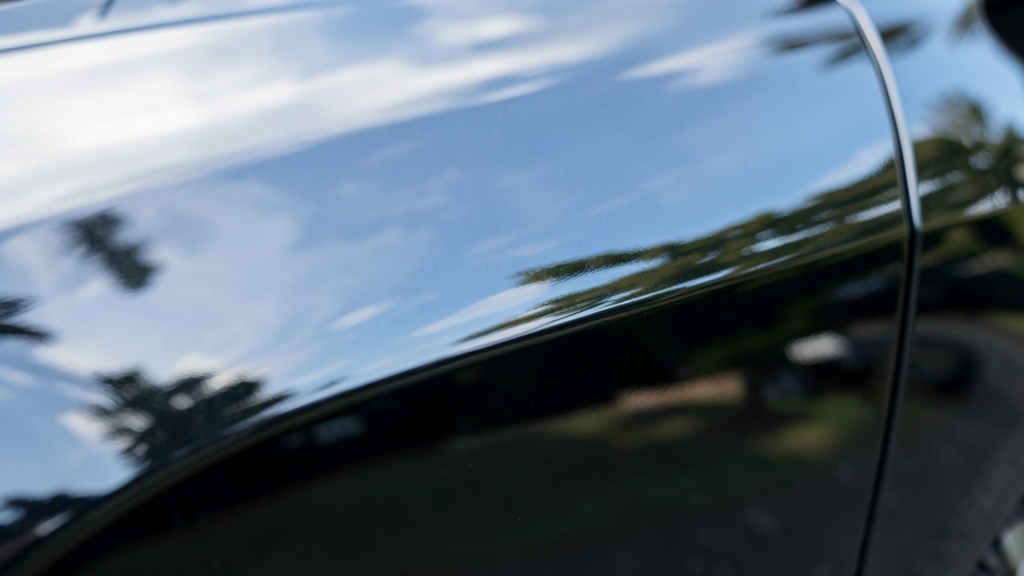
Apollo Beach drivers know our salty air and relentless sun demand serious paint protection. Ceramic coating and wax both add shine, but their longevity isn’t even close. We break down why ceramic outlasts wax by years, not months, in our coastal conditions.
Why Longevity Matters in Apollo Beach’s Climate
Salt air accelerates oxidation, dulling paint faster than inland areas. A protection that lasts months won’t cut it when daily UV and humidity attack your clear coat.
Wax fades in weeks under Florida’s sun, while ceramic coatings bond at the molecular level. That’s why we see local cars with wax needing reapplication every 6-8 weeks, even with careful washing.
Apollo Beach’s proximity to Tampa Bay means salt deposits can etch unprotected paint. Ceramic’s hydrophobic layer repels these contaminants far better than wax.
Ceramic Coating: The Long-Term Shield
Ceramic coatings use silicon dioxide (SiO2) to create a 9H-hardness layer over your paint. This isn’t a surface topping—it chemically bonds, resisting UV rays, bird droppings, and even minor scratches for 2-5 years.
The hydrophobic effect means water beads instantly, carrying dirt away. In Apollo Beach, that translates to fewer water spots from our frequent rain and sprinkler overspray.
Gloss retention stays sharp longer, too. Unlike wax, which breaks down, ceramic maintains that showroom shine through seasons of sun and salt exposure.
Wax: The Temporary Gloss Boost
Carnauba and synthetic waxes add deep, warm shine but sit on the surface. They lack chemical bonding, so they wash away with time, rain, and car washes.
In our climate, even premium carnauba lasts 4-6 weeks. Synthetic polymer sealants stretch to 4-6 months, but they still can’t match ceramic’s resilience against salt or UV.
Wax does fill micro-scratches temporarily, enhancing gloss. For short-term beauty, it’s great—but not for long-term protection against Apollo Beach’s elements.
Wax is ideal for enthusiasts who love reapplying and perfecting their finish. For daily drivers, ceramic’s durability wins every time.
Side-by-Side: Ceramic Coating vs. Wax in Apollo Beach
The differences go beyond longevity. Ceramic coatings resist chemical stains from bird droppings and tree sap, common in neighborhoods like MiraBay or Waterset.
Wax offers no real defense against these. And while wax is easy to apply at home, ceramic requires professional prep—often including paint correction—to ensure proper bonding.
| Feature | Ceramic Coating | Wax |
|---|---|---|
| Longevity | 2-5 years | 4-6 weeks (carnauba), 4-6 months (synthetic) |
| UV Protection | High (blocks 99%+ UV rays) | Low to moderate |
| Hydrophobic Effect | Extreme (water beads at 110°+ contact angle) | Moderate (fades quickly) |
| Salt Resistance | Excellent | Poor |
| Scratch Resistance | Minor (9H hardness) | None |
| Application | Professional (requires paint prep) | DIY-friendly |
| Gloss Retention | Long-term, consistent | Short-term, diminishes |
How Apollo Beach’s Weather Affects Both
Our high humidity speeds up wax degradation. Ceramic’s inorganic structure doesn’t break down in moist air, making it the clear winner for year-round protection.
Summer heat can soften wax, causing it to streak or haze. Ceramic coatings remain stable up to 800°F—far beyond any temperature your paint will face.
Even in winter, when temperatures dip, ceramic maintains flexibility. Wax can become brittle, cracking and flaking off under pressure washes.
When Wax Still Makes Sense
For classic car owners in Ruskin or Gibsonton who trailer their vehicles to shows, wax can be a cost-effective way to maintain a pristine look between events.
It’s also useful for touching up ceramic-coated cars. A high-quality wax layer on top of ceramic can enhance gloss temporarily, though it won’t extend the coating’s life.
Some drivers combine both: ceramic for long-term protection and wax for extra shine before a special event. Just know the wax will wash away quickly in our climate.
Signs Your Wax Is Failing in Apollo Beach
- Water no longer beads on the surface
- Paint looks dull, even after washing
- Water spots appear and won’t buff out
- Dirt and grime stick more aggressively
The Role of Paint Correction Before Ceramic Coating
Ceramic coatings amplify your paint’s condition—flaws won’t disappear. That’s why we always start with paint correction in Apollo Beach, removing swirls, oxidation, and water spots.
This step ensures the ceramic bonds to a smooth, clean surface. Skipping it means locking in imperfections for years.
In areas like Riverview or Sun City Center, where automatic car washes are common, correction removes the fine scratches these washes leave behind.
Beyond Paint: Other Ceramic Protection Options
Ceramic isn’t just for paint. We apply it to wheels and brake calipers to resist brake dust and road grime—common issues on Apollo Beach’s roads near I-75.
Interior ceramic coatings protect dashboards and leather from UV fading. And ceramic window tint reduces heat and glare, a must for our sunny drives.
For fleet vehicles in Wimauma or commercial trucks, ceramic coatings cut maintenance time and costs by repelling dirt and simplifying cleaning.
How to Decide Between Ceramic Coating and Wax for Your Car
Choosing the right protection depends on your priorities and driving habits.
- 1Assess Your Climate Exposure
If you park outside in Apollo Beach, ceramic’s UV and salt resistance is non-negotiable. Wax won’t hold up to daily environmental assaults.
- 2Consider Your Long-Term Goals
Planning to keep your car 3+ years? Ceramic’s upfront investment pays off. Selling soon? Wax might suffice for a quick gloss boost.
- 3Evaluate Maintenance Willingness
Ceramic requires minimal upkeep—just proper washing. Wax demands frequent reapplication, which adds up in time and cost.
- 4Check Your Paint’s Condition
If your paint has swirls or oxidation, ceramic needs paint correction first. Wax can temporarily hide minor flaws but won’t fix them.
- 5Factor in Vehicle Usage
Daily drivers and boats on trailers benefit most from ceramic. Weekend show cars might get by with wax if stored indoors.
- 6Request a Professional Consultation
Our team can inspect your vehicle and discuss options like PPF for high-impact areas or ceramic window tint for heat reduction. Request a quote to explore what’s best for your ride.
Frequently Asked Questions
How often do I need to reapply ceramic coating in Apollo Beach?
A professionally applied ceramic coating lasts 2-5 years in our climate, depending on maintenance and exposure. Annual inspections help maximize its lifespan. Unlike wax, you won’t need to reapply it seasonally.
Can I apply wax over a ceramic coating?
Yes, but it’s not necessary for protection. Some enthusiasts use wax for extra gloss before car shows. Just know it’ll wash off quickly in Apollo Beach’s rain and won’t extend the ceramic’s durability.
Is ceramic coating worth it for older cars in Apollo Beach?
Absolutely, if the paint is in decent condition. Ceramic can rejuvenate older vehicles by adding deep shine and protection. We often combine it with paint correction to restore faded or oxidized surfaces common in our sunny climate.
Does ceramic coating prevent all scratches?
No coating is scratch-proof, but ceramic’s 9H hardness resists minor scratches from washing or light brushes. For full scratch protection, we recommend pairing ceramic with paint protection film (PPF) on high-impact areas.
How does ceramic coating perform against bird droppings in Apollo Beach?
Ceramic’s hydrophobic and chemical-resistant properties make bird droppings less likely to etch your paint. They’ll bead up and wash off easier than with wax, which offers little to no protection against acidic contaminants.
What’s the difference between ceramic coating and paint protection film (PPF)?
Ceramic coating is a liquid that bonds to your paint, adding gloss and protection. PPF is a physical film that shields against rock chips and deep scratches. Many Apollo Beach drivers use both: PPF for impact areas and ceramic for the rest of the vehicle.