Can You Ceramic Coat Over Scratches? The Apollo Beach Expert’s Answer in Ceramic Coating Apollo Beach, FL
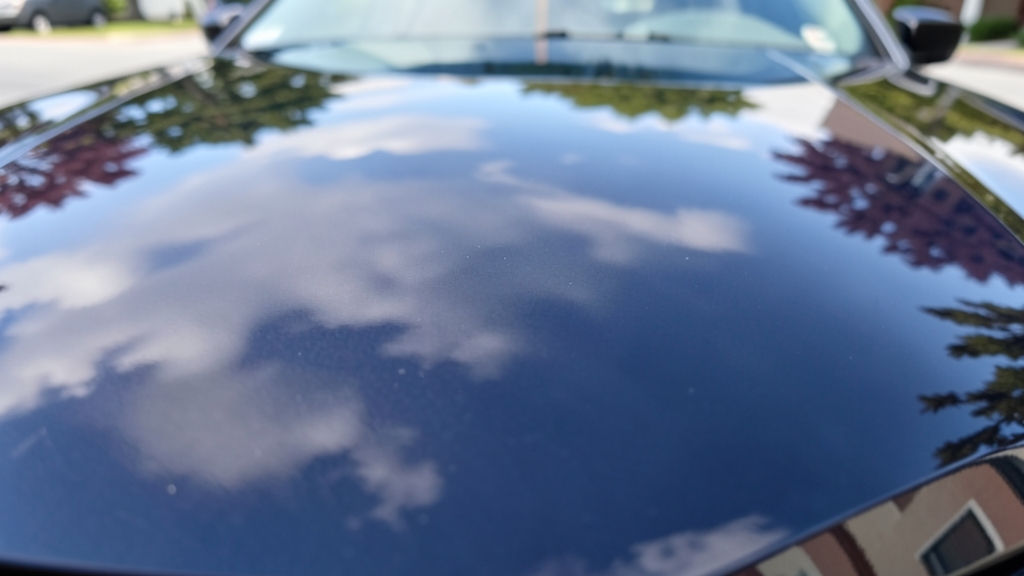
Applying ceramic coating over scratches is a common question we hear from drivers in Apollo Beach. The short answer? Not without proper prep. Ceramic coatings amplify what’s beneath them—flaws included—so paint correction is non-negotiable for a flawless, long-lasting finish.
Why Ceramic Coating Won’t Hide Scratches
Ceramic coatings are not fillers or magic eraser products. They’re a transparent, nano-ceramic layer that bonds to your clear coat, enhancing gloss and protection—but they won’t mask imperfections.
In Apollo Beach’s intense sun, scratches and swirls under a coating can become even more noticeable as the hydrophobic surface highlights every contour. The coating magnifies, not conceals.
Skipping paint correction traps scratches under the coating permanently. Removal later requires stripping the entire layer, costing more time and labor.
The Only Right Way: Paint Correction First
True scratch removal starts with a thorough wash, decontamination, and paint thickness measurement. We use a dual-action polisher with compounds tailored to the defect depth—light swirls need a fine polish; deep scratches may require wet-sanding.
Apollo Beach’s salt air and UV exposure often leave oxidation and etched-in contaminants. These must be fully addressed before any ceramic coating application to ensure proper adhesion and longevity.
When Scratches Are Too Deep for Polishing
Not all scratches can be polished out. If the damage penetrates the clear coat or reaches the base coat, a touch-up or repaint may be necessary before coating.
For severe cases, we often recommend combining paint correction with paint protection film (PPF) on high-impact areas like bumpers and hoods. PPF absorbs scratches, while ceramic coating adds gloss and UV resistance.
| Defect Type | Depth | Solution Before Coating |
|---|---|---|
| Light swirl marks | Clear coat surface | Polishing with fine compound |
| Moderate scratches | Mid clear coat | Polishing with medium compound |
| Deep scratches | Through clear coat | Wet-sanding + repolishing or touch-up paint |
| Clear coat failure | Exposed base coat | Repaint affected panel |
Apollo Beach Conditions That Worsen Scratches
Our coastal climate accelerates paint damage. Salt spray from Tampa Bay etches clear coat over time, while the relentless sun fades and weakens the surface, making scratches more prone to spreading.
Without correction, these defects become permanent under a ceramic coating. We see this often in vehicles from Ruskin and Gibsonton, where unprotected paint suffers from similar environmental stress.
Step-by-Step: Pre-Coating Scratch Repair Process
We begin with a multi-stage wash to remove embedded contaminants. Then, a clay bar treatment ensures the surface is smooth to the touch.
Next, paint thickness is checked with a gauge to avoid over-polishing. This step is critical—Apollo Beach’s older vehicles often have thin clear coat from years of sun exposure.
Pre-Ceramic Coating Scratch Repair Checklist
- Full vehicle wash and decontamination
- Clay bar treatment to remove embedded particles
- Paint thickness measurement with a gauge
- Compound polishing to remove scratches and swirls
- Final polish for a mirror-like finish
- IPA wipe-down to remove oils and residues
- Inspection under LED lighting for missed defects
Ceramic Coating Application After Scratch Repair
Once the paint is flawless, we apply the ceramic coating in a climate-controlled environment. Apollo Beach’s humidity can interfere with curing, so controlling conditions is key to a durable bond.
We use cross-hatching techniques with microfiber applicators to ensure even coverage. The coating needs 24-48 hours to cure fully, during which the vehicle must stay dry and untouched.
Alternative Solutions for Scratched Paint
If your vehicle has extensive scratches or you’re on a tight schedule, paint protection film (PPF) is a great alternative. PPF is a self-healing urethane film that absorbs scratches and can be ceramic coated on top for added gloss.
For wheels and brake calipers—common scratch zones in Riverview and Sun City Center—we offer dedicated ceramic coatings that resist brake dust and road grime, keeping them looking new longer.
Pairing paint correction with ceramic coating and PPF on high-end areas provides long-term protection against Apollo Beach’s harsh conditions.
Maintaining Your Coating to Prevent New Scratches
Even with a ceramic coating, improper washing can introduce new scratches. Always use a pH-neutral car shampoo and high-quality microfiber towels. Avoid automatic car washes with abrasive brushes.
Regular maintenance washes every two weeks help preserve the hydrophobic properties. For vehicles in Wimauma or other dusty areas, more frequent cleaning prevents contaminants from bonding to the surface.
How to Check if Your Scratches Need Correction Before Ceramic Coating
Not sure if your scratches are superficial or deep? Here’s how to assess them like a pro.
- 1Wash and Dry the Surface
Start with a thorough wash to remove dirt and grime. Dry the panel completely with a clean microfiber towel to see the true extent of the damage.
- 2Inspect Under Direct Light
Use a bright LED light or sunlight at an angle to highlight scratches. Run your fingernail gently over the scratch—if it catches, it’s likely too deep for polishing alone.
- 3Test with a Quick Detailer
Apply a quick detailer or spray wax to the area. If the scratch disappears when wet but reappears when dry, it’s likely a surface-level defect that can be polished out.
- 4Measure Paint Thickness
Use a paint thickness gauge to check the clear coat depth. If readings are below 2 mils, polishing may not be safe without risking burn-through.
- 5Consult a Professional
If you’re unsure, bring your vehicle to a local expert. We serve Apollo Beach, Ruskin, and Gibsonton with inspections to determine a suitable course of action.
Frequently Asked Questions
Will ceramic coating make my scratches look worse?
Yes, it can. Ceramic coatings enhance gloss and reflection, which can make existing scratches and swirls more visible. Proper paint correction is essential to avoid this issue.
How much does paint correction cost before ceramic coating in Apollo Beach?
The cost varies based on vehicle size, paint condition, and the depth of scratches. Factors like single-stage vs. two-stage paint, severity of defects, and labor time all play a role. Request a quote for an accurate estimate.
Can I ceramic coat over a touch-up paint job?
Only if the touch-up is fully cured and blended. Fresh touch-up paint needs time to harden—typically 30-60 days—before ceramic coating. Improperly cured paint can lead to adhesion failure.
Is ceramic coating worth it for a car with lots of scratches?
It depends on the condition. If the scratches are deep or widespread, investing in paint correction or repainting first is wise. Ceramic coating is best applied to a flawless surface to maximize its protective and aesthetic benefits.
How do I prevent scratches after ceramic coating in Apollo Beach?
Use pH-neutral car wash soaps, high-quality microfiber towels, and avoid automatic car washes with brushes. Consider adding paint protection film to high-impact areas for extra defense against scratches.
Do you offer ceramic coating for wheels and calipers in Apollo Beach?
Yes, we provide dedicated ceramic coatings for wheels and brake calipers. These areas are prone to brake dust, road grime, and scratches, and a ceramic coating helps keep them looking new while making cleaning easier.