Avoid These Mistakes: Prepping Your Paint for Ceramic Coating in Apollo Beach, FL
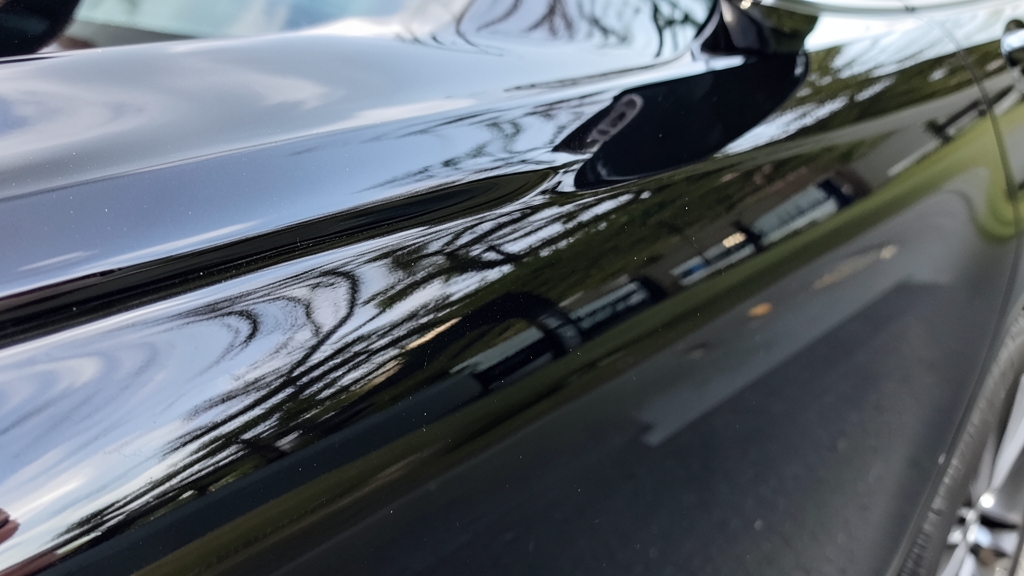
A ceramic coating only performs as well as the surface beneath it. In Apollo Beach, where salt air and intense UV exposure accelerate paint damage, proper prep isn’t just recommended—it’s non-negotiable. Skip a step, and you risk locking in defects, poor adhesion, or premature failure.
Why Paint Prep Is the Foundation of a Lasting Ceramic Coating
Ceramic coatings bond at a molecular level to your clear coat. If the surface isn’t immaculate, contaminants or imperfections become permanently trapped, compromising gloss, durability, and hydrophobic performance.
In our coastal climate, embedded iron particles, salt, and industrial fallout are common culprits. These require thorough decontamination before any polishing begins.
The 5 Most Common Prep Mistakes We See in Apollo Beach
Skipping the wash. Many assume a quick rinse suffices, but even invisible grime disrupts adhesion. A two-bucket method with a high-quality automotive shampoo is step one.
Neglecting clay bar decontamination. A clean surface can still harbor bonded contaminants. Claying removes what washing can’t, ensuring a glass-smooth base for polishing.
Overlooking paint correction. Swirl marks, oxidation, or water spots won’t vanish under a coating. Compounding and polishing restore clarity before the coating locks in the finish.
Using household cleaners for the final wipe. Alcohol-based or silicone-laden products leave residues that sabotage adhesion. Only a dedicated IPA solution (50/50 with distilled water) ensures a pristine surface.
Rushing the process. Ceramic coatings cure best in controlled environments. High humidity or direct sunlight—common in Apollo Beach—can cause streaking or uneven bonding. We always prep indoors when possible.
Applying ceramic coating over uncured paint or fresh PPF can lead to peeling or clouding. Always allow 30–60 days for paint to fully cure or 24–48 hours for PPF before coating.
Step-by-Step: The Professional Paint Prep Process
We start with a foam cannon pre-soak to loosen surface dirt, followed by a contact wash using grit guards to prevent swirls. This isn’t just cleaning—it’s the first defense against embedded contaminants.
Next, a clay bar or clay mitt removes bonded iron, tar, and industrial fallout. In Apollo Beach, we often use an iron-removing spray beforehand to dissolve stubborn particles before claying.
Paint correction comes next. Using a dual-action polisher, we address defects with progressive compounds and polishes. Single-stage paints require extra care to avoid burning through the thin clear coat.
Paint Correction: When DIY Isn’t Enough
Not all paint defects are visible to the naked eye. Micro-marring, holograms from improper polishing, or deep scratches require professional tools and expertise to correct without causing damage.
In Riverview or Sun City Center, where vehicles often sit under harsh sun, oxidation is a frequent issue. Heavy oxidation may need wet-sanding before polishing to restore a mirror finish.
For fleet or commercial vehicles in Gibsonton or Wimauma, we often combine paint correction with a ceramic coating to extend intervals between washes and reduce maintenance costs.
| Defect | Severity | Correction Method | Tools/Products |
|---|---|---|---|
| Swirl Marks | Light | Finishing Polish | Dual-Action Polisher + Fine Pad |
| Water Spots | Moderate | Compounding + Polishing | DA Polisher + Medium/Heavy Pad |
| Oxidation | Heavy | Wet-Sanding + Compounding | Sanding Block (1500–2000 grit) + DA Polisher |
| Deep Scratches | Severe | Touch-Up Paint + Blending | Paint Pen + Polishing |
| Holograms | Light | Finishing Polish | DA Polisher + Soft Pad |
The Final Prep: IPA Wipe-Down and Inspection
After correction, a final wipe with an IPA solution removes any remaining oils, waxes, or polishing residues. This step is critical—even a fingerprint can compromise adhesion.
We inspect the surface under multiple light sources to catch missed defects. In Apollo Beach’s bright sunlight, it’s easier to spot imperfections, but controlled lighting ensures nothing is overlooked.
For vehicles receiving Paint Protection Film (PPF) before ceramic coating, we ensure the film is fully adhered and free of edges or bubbles. PPF installation in Ruskin or nearby areas often pairs with ceramic coating for ultimate protection.
Apollo Beach’s humidity can slow curing. Use a dehumidifier in your garage or prep area, and avoid applying coatings if humidity exceeds 60%. Ideal conditions are 60–70°F with 40–50% humidity.
Ceramic Coating vs. Other Protection Methods: What’s Best for Apollo Beach?
Ceramic coatings outlast traditional waxes or sealants, offering 2–5 years of protection against UV rays, salt, and bird droppings—critical in our coastal environment.
Paint Protection Film (PPF) provides physical defense against rock chips and scratches, often used on high-impact areas like hoods and bumpers. Many Apollo Beach drivers combine PPF with ceramic coating for layered protection.
Ceramic window tint complements coatings by reducing heat and UV exposure inside the cabin, while interior ceramic protection prevents stains and fading on dashboards and leather.
Maintaining Your Ceramic Coating After Application
Even with a ceramic coating, regular maintenance is key. Wash your vehicle every 2 weeks using pH-neutral shampoo and a microfiber wash mitt to prevent scratching.
Avoid automatic car washes with harsh brushes—they can dull the coating’s hydrophobic properties. In Apollo Beach, touchless washes are a safer alternative.
For wheels and brake calipers, where brake dust and heat are constant threats, a dedicated ceramic coating for these areas adds durability. We often apply these in tandem with full-vehicle coatings.
Post-Coating Maintenance Checklist
- Wash with pH-neutral shampoo every 2 weeks
- Use a microfiber drying towel to prevent water spots
- Apply a ceramic-boosting spray every 3–6 months
- Avoid parking under trees (sap and bird droppings can etch the coating)
- Reapply ceramic coating every 2–5 years (or as needed)
How to Decontaminate Your Paint Before Ceramic Coating
Proper decontamination is the first step to ensuring your ceramic coating adheres flawlessly.
- 1Wash Thoroughly
Use the two-bucket method with grit guards and a high-quality automotive shampoo. Rinse frequently to avoid re-depositing dirt.
- 2Apply Iron Remover
Spray an iron-removing product (like P&S Brake Buster) onto the paint, let it dwell for 2–3 minutes, then rinse. This dissolves embedded brake dust and rail dust.
- 3Clay Bar Treatment
Lubricate the surface with clay lube or diluted shampoo, then gently glide a clay bar over the paint in straight lines. Fold the bar frequently to expose a clean surface.
- 4Inspect the Surface
Run your hand over the paint (wear a glove) to feel for any remaining contaminants. If the surface feels rough, repeat the claying process.
- 5Final Rinse and Dry
Rinse the vehicle thoroughly and dry with a clean microfiber towel. Avoid touching the paint with bare hands to prevent oils from transferring.
Frequently Asked Questions
How long does paint prep take for ceramic coating in Apollo Beach?
Prep time varies based on the vehicle’s condition. A well-maintained car may require 4–6 hours for washing, decontamination, and light correction. Heavily oxidized or scratched paint can take 8–12+ hours, especially if wet-sanding is needed.
Can I apply ceramic coating over existing wax or sealant?
No. Wax or sealant residues must be fully removed with an IPA wipe-down or dedicated prep solvent. Applying ceramic coating over these products will prevent proper adhesion and reduce longevity.
What’s the difference between paint correction and polishing?
Polishing is a step within paint correction. Correction is the entire process of removing defects (compounding, polishing, finishing), while polishing specifically refines the surface to enhance gloss after compounding.
Is ceramic coating worth it for Apollo Beach’s climate?
Absolutely. The salt air, UV exposure, and frequent rain in Apollo Beach accelerate paint damage. Ceramic coating provides a sacrificial layer that repels contaminants, resists UV fading, and makes cleaning easier—ideal for our local conditions.
Do you offer mobile ceramic coating services in Ruskin or Gibsonton?
We primarily perform ceramic coating applications in our controlled facility to ensure optimal conditions for prep and curing. However, we serve clients across Apollo Beach, Ruskin, Gibsonton, and Riverview—contact us to discuss your options.
How soon can I drive my car after ceramic coating?
Most coatings require 24–48 hours to cure before the vehicle can be exposed to rain or moisture. We recommend avoiding car washes or driving in heavy rain for at least 7 days to allow full bonding.